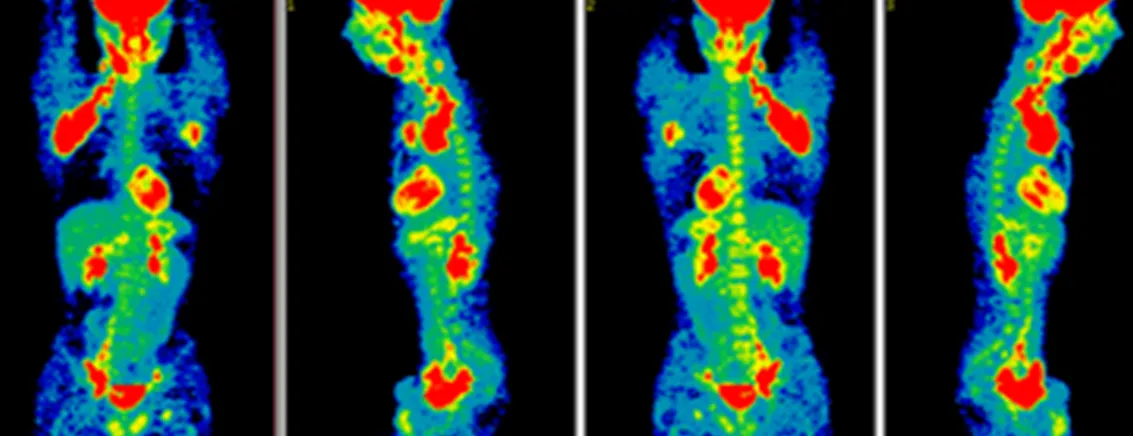
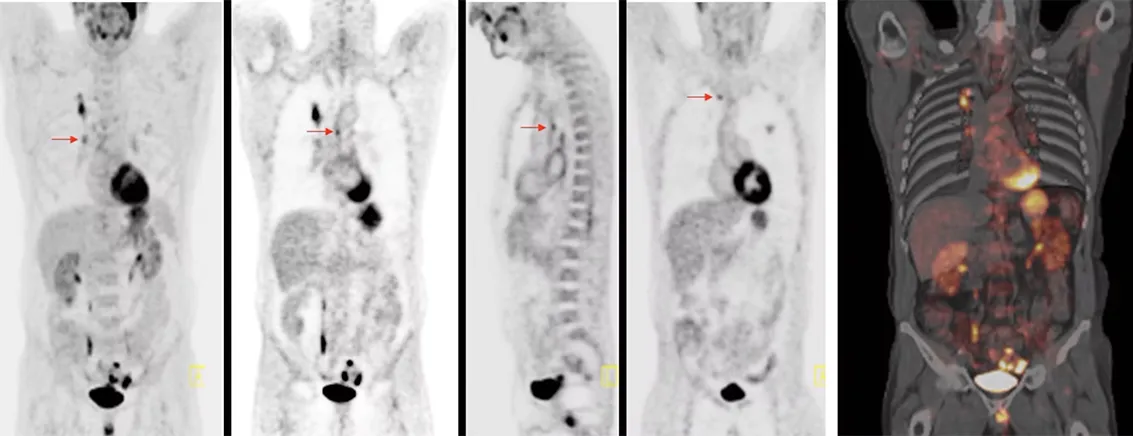
What Is a PET/CT Scan?
A PET/CT scan combines two imaging technologies – Positron Emission Tomography (PET) and Computed Tomography (CT) – to produce detailed images of the body’s organs and metabolic processes in a single scan.
During the scan, a small amount of radioactive tracer is injected into the body. The tracer emits gamma rays, which are detected by the scanner and reconstructed by computer analysis into three-dimensional images showing where the tracer has concentrated in the body. Different tracers (ligands) are used depending on the condition being investigated.
What Is a PET/CT Scan Used For?
PET/CT scans are used to:
- Detect signs of disease or abnormalities in organs and tissues
- Determine the extent and characteristics of a disease
- Monitor how a disease or its treatment is progressing over time
- Assess organ function, including the heart and brain
PET/CT is most commonly used for cancer detection, staging, and monitoring treatment response, though it also supports diagnosis of cardiac and neurological conditions.
Our PET/CT Equipment:
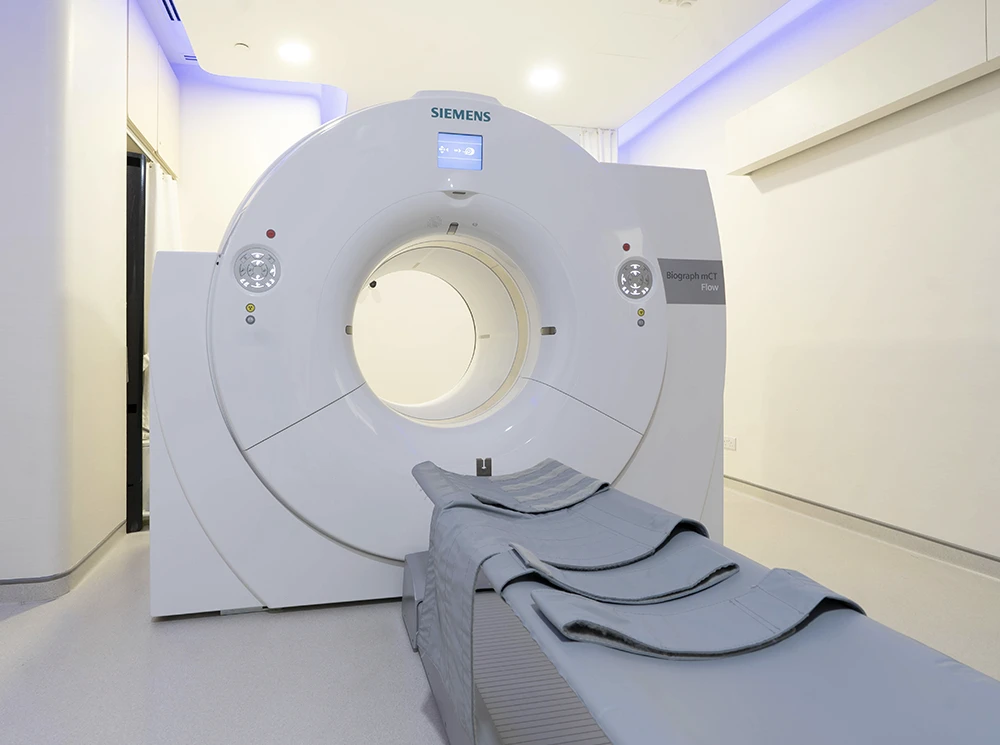
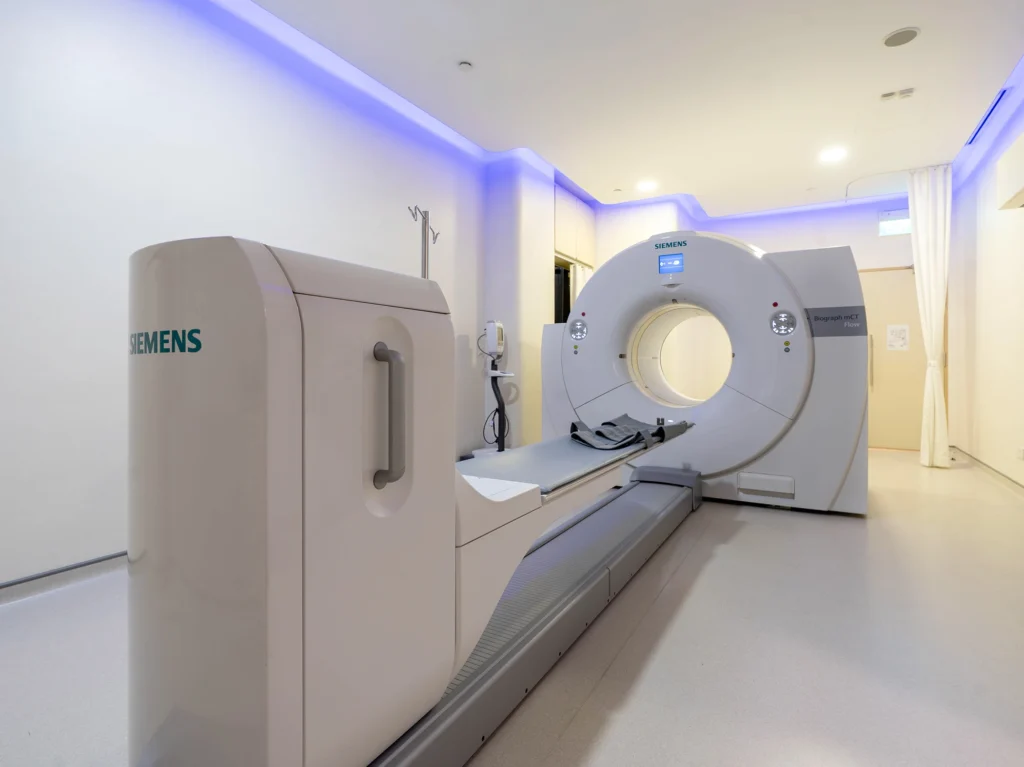
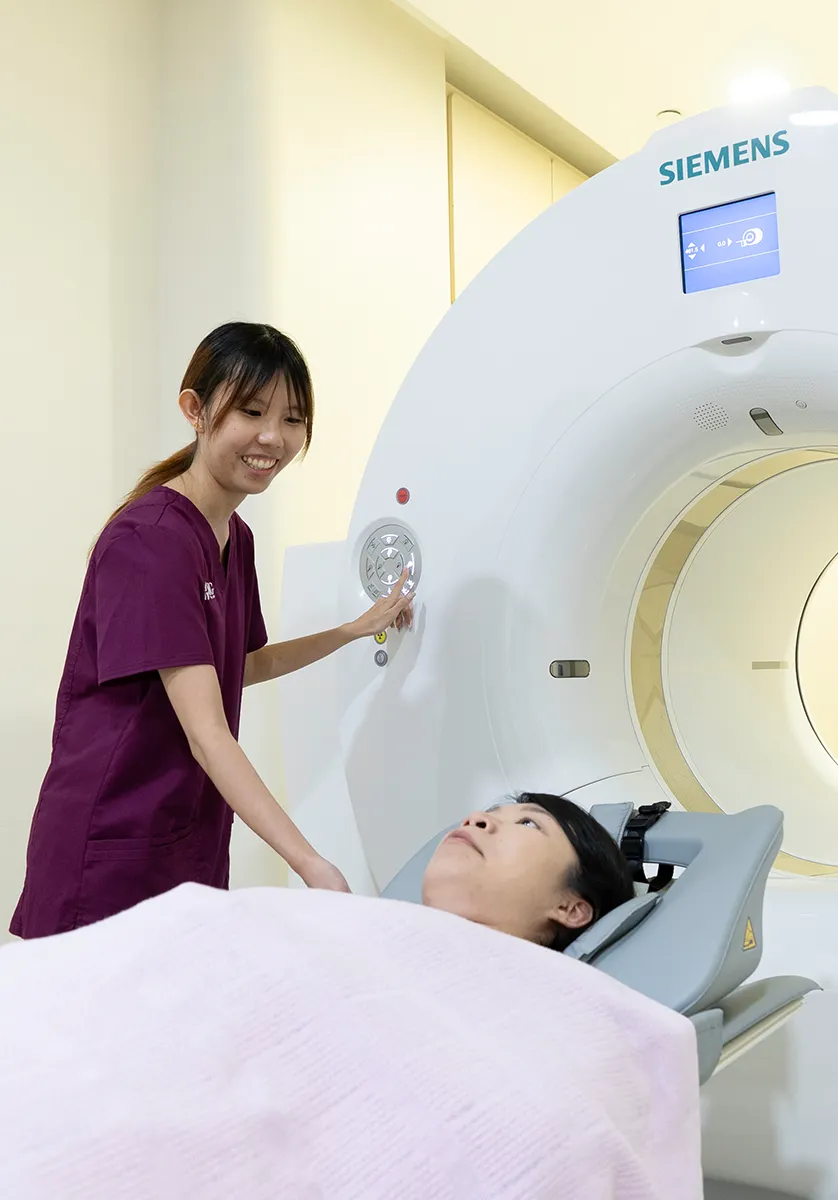
Siemens Biograph mCT
Lifescan Imaging with ML’vé uses the Siemens Biograph mCT scanner, known for its high-resolution volumetric PET imaging. This allows for precise tumour contouring, supporting more accurate treatment planning, patient-specific dose escalation, and ongoing therapy monitoring.
What Sets Our PET/CT Experience Apart
Ease and Comfort
The scanner’s wider gantry opening and quieter operation are designed to improve patient comfort throughout the scan.
Meticulous Performance
Continuous-flow PET/CT technology allows scanning protocols to be customised to the specific organ or area of interest, producing high-resolution images for more definitive diagnosis.
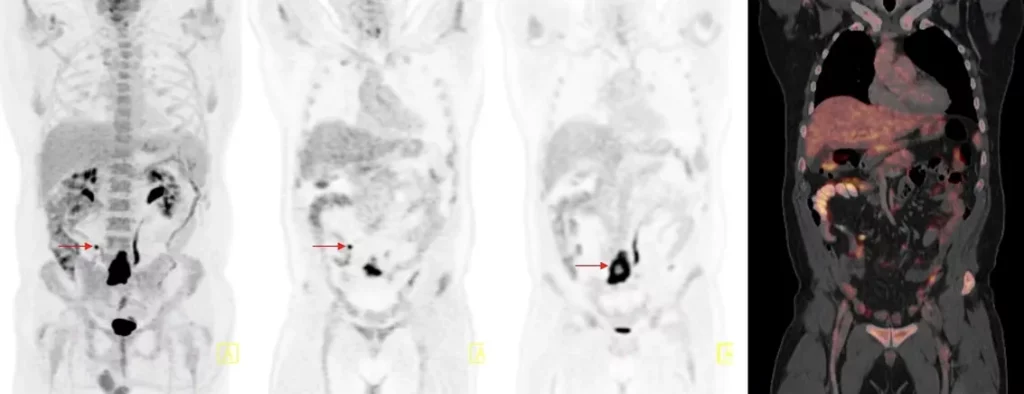
Low Dose, High Efficiency
In line with the ALARA principle (As Low As Reasonably Achievable), radioactive tracer doses are kept as low as possible without compromising image quality.
Confident Diagnosis
Advanced PET/CT hybrid imaging enables precise, reproducible quantification of disease traits — supporting early detection and giving physicians greater diagnostic confidence when planning treatment.
How to Prepare for Your PET/CT Scan
Before Your Appointment
- FDG scan: Do not eat or drink (except plain water) for 4 hours before your appointment.
- PSMA/DOTANOC scan: No fasting is required.
- You may continue taking prescribed medications unless advised otherwise. Avoid taking vitamins before the scan.
If Contrast Media Is Required
- Do not eat or drink (except plain water) for 4 hours before the scan.
- Asthmatic patients: Take oral Prednisolone (30mg) between 2 and 12 hours before the scan. This can be provided at the clinic if needed.
- Patients on Metformin: Stop taking Metformin on the day of the scan and for up to 48 hours afterward.
General Preparation
- Drink 6-8 glasses of plain water on the day of, and after, your appointment.
- Wear comfortable clothing.
- Leave jewellery and other valuables at home – you’ll be asked to remove them for the scan.
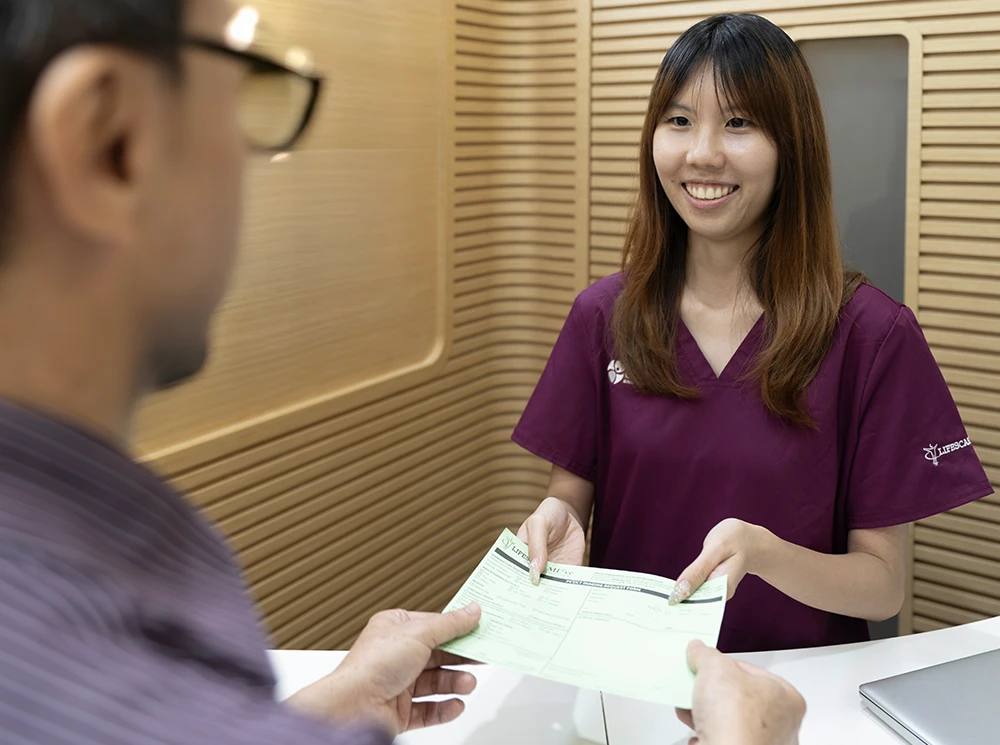
- Bring your NRIC, recent radiological films, CDs/DVDs, or biopsy results.
- Avoid strenuous exercise for 2 days before your scan, as intense physical activity can affect glucose distribution and alter scan results.
- Inform staff of any allergies, diabetes, pregnancy, or breastfeeding.
What to Expect During the Scan
- The full appointment takes about 3-4 hours; the scan itself takes approximately 30-40 minutes (longer if additional imaging is needed).
- You’ll change into a hospital gown, and a locker is provided for personal belongings.
- A small amount of radioactive tracer is injected into a vein, usually in the hand or elbow. This is safe and has no significant side effects.
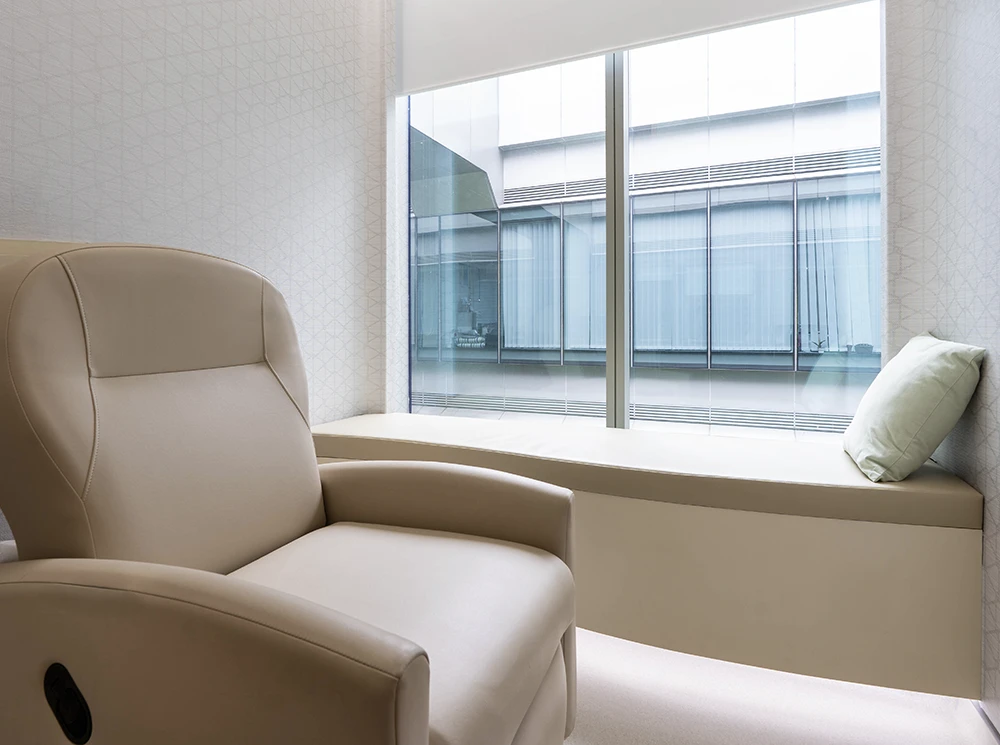
- You’ll rest for 60-90 minutes after the injection to allow the tracer to circulate.
- The scan itself is painless. Staying still during the scan helps ensure accurate results.
After Your Scan
- You can resume your normal diet immediately.
- Results are typically ready within 24-48 hours.
- Special Arrangements for Patients With Additional Needs Wheelchair or trolley patients: Please arrange for an accompanying staff nurse familiar with your medical history, a PATSLIDE if on a trolley, and ensure any IV lines or urine bags are managed beforehand. Ambulance parking is available at Level B2.
- Patients requiring oxygen support: Please ensure adequate oxygen supply for a procedure lasting 2-3 hours.
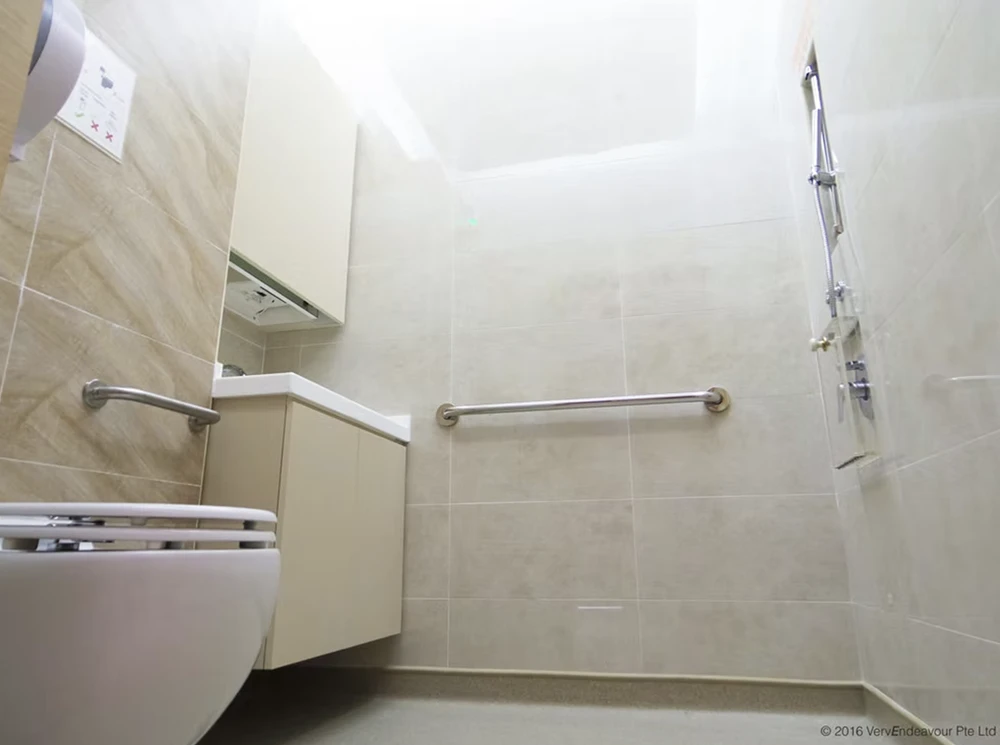
- Toileting needs: Urinals, bedpans, or extra diapers can be arranged if required.
- Breastfeeding patients: Please bank at least one feed of milk beforehand, and consider a natural feed prior to your appointment if possible.
- Patients under 21: Please arrange for a guardian to accompany you (except National Servicemen).